The Heritage
of Vermouth di Torino
HISTORY
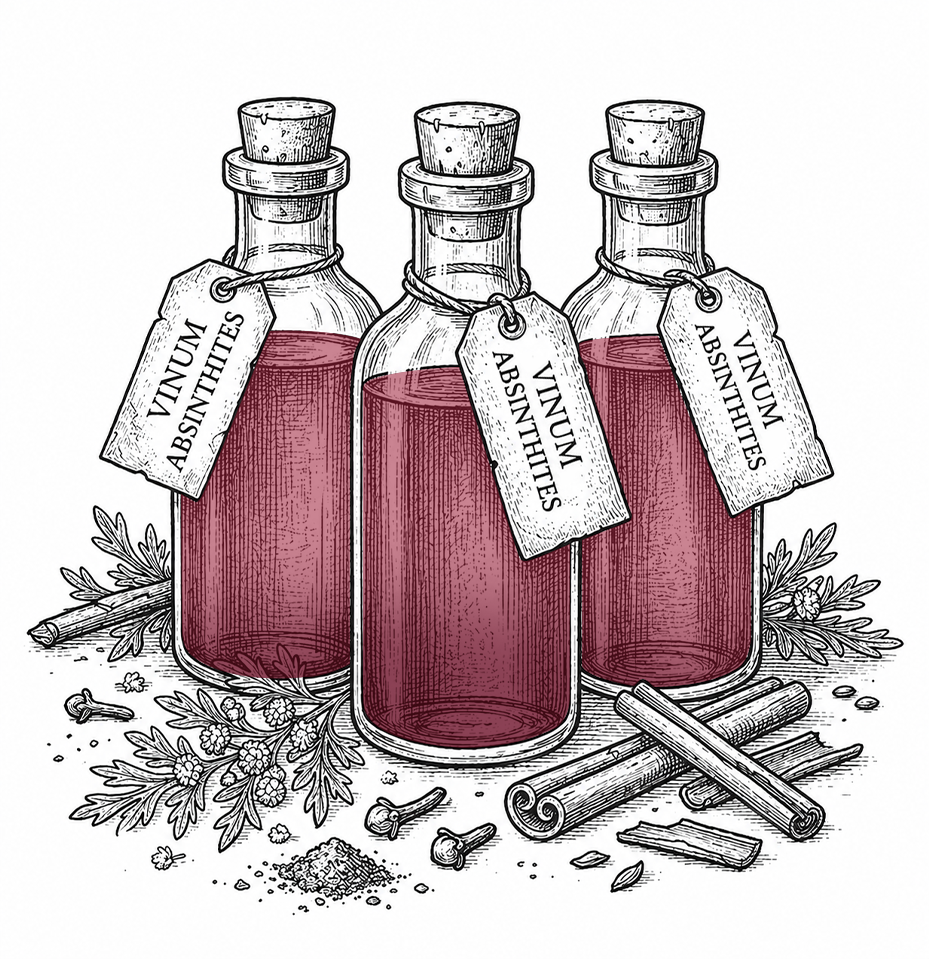
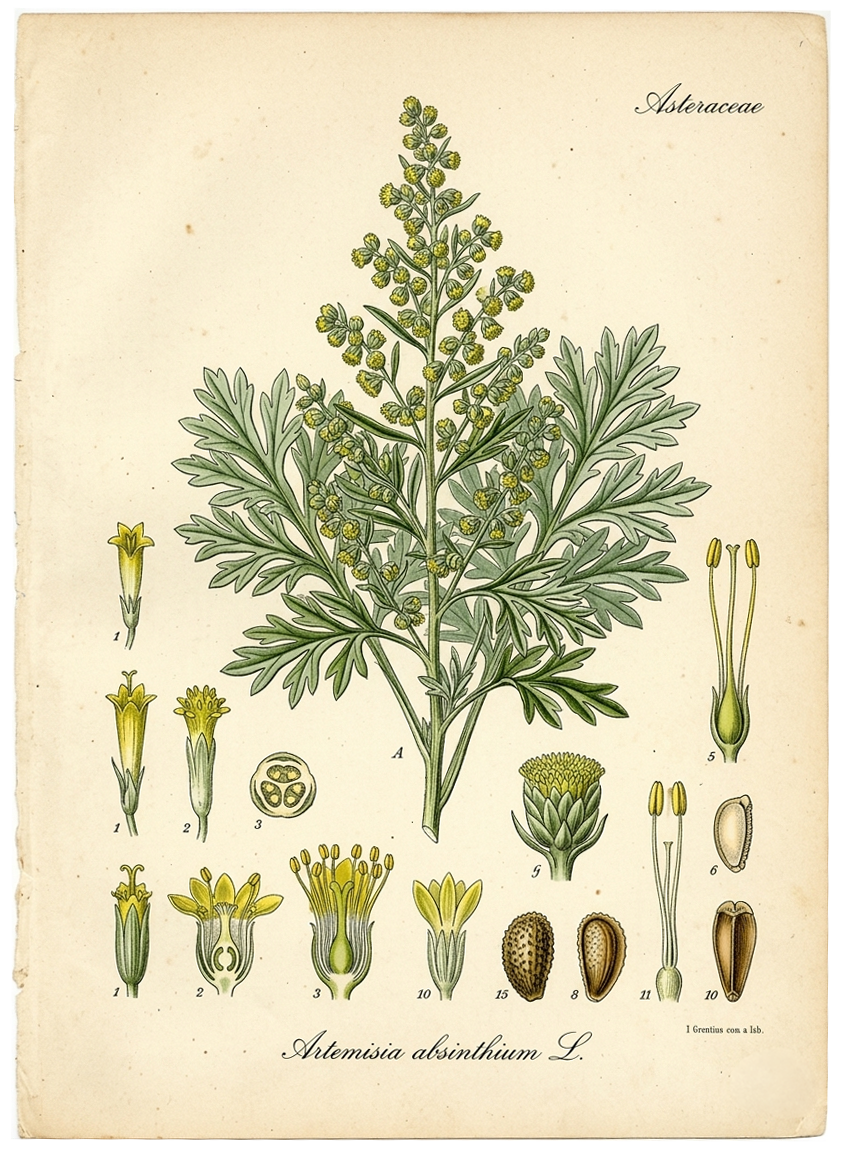
Vermouth takes its name from the German word Wermut, meaning wormwood (Artemisia absinthium), and its origins date back to the dawn of time. Recipes for vinum absinthites, a herbal-infused wine, appear in texts dating from the first centuries AD, when it was valued for its digestive properties and used as a remedy for stomach ailments.
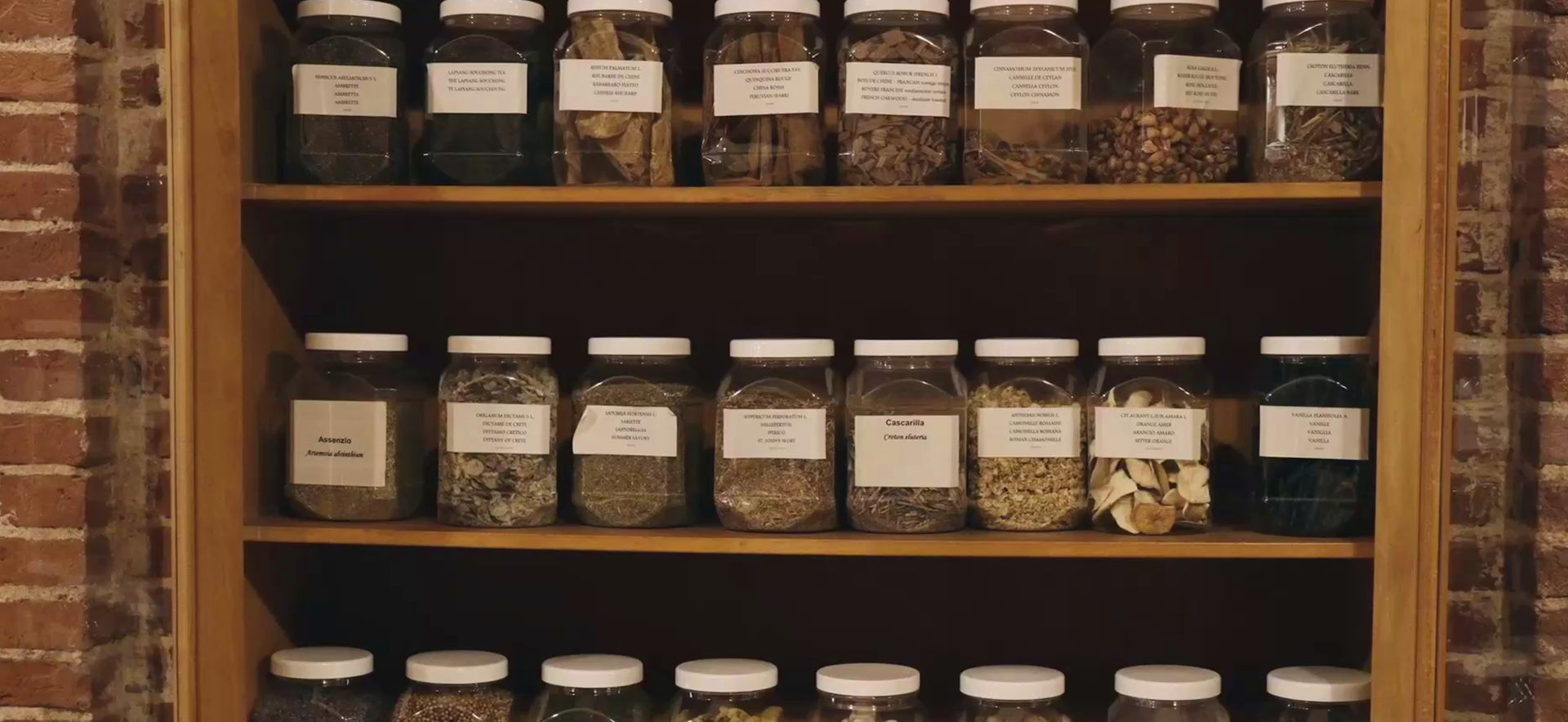
Its medicinal use passed down through the centuries. During the Renaissance, however, the increasing availability of exotic spices in Europe transformed the original recipe, enriching it with new aromatic notes such as cinnamon, cloves and rhubarb.
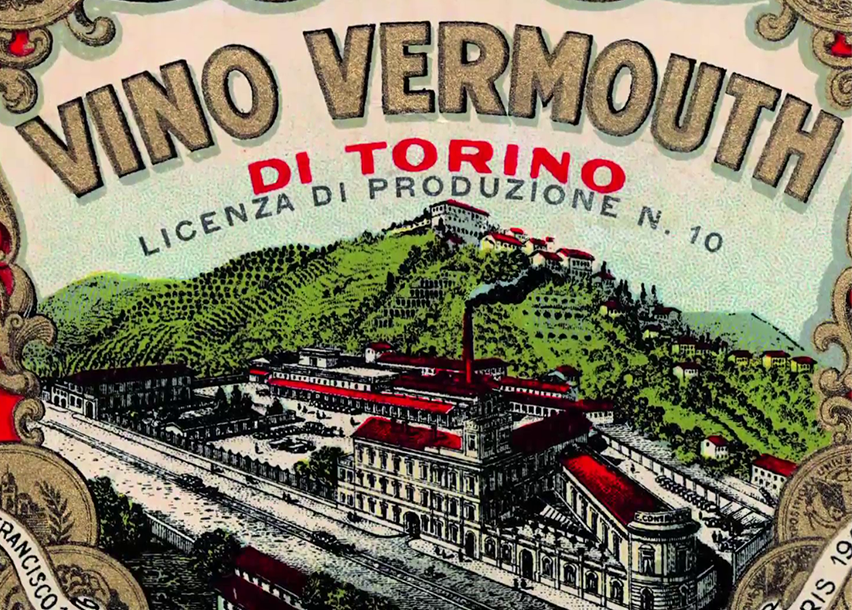
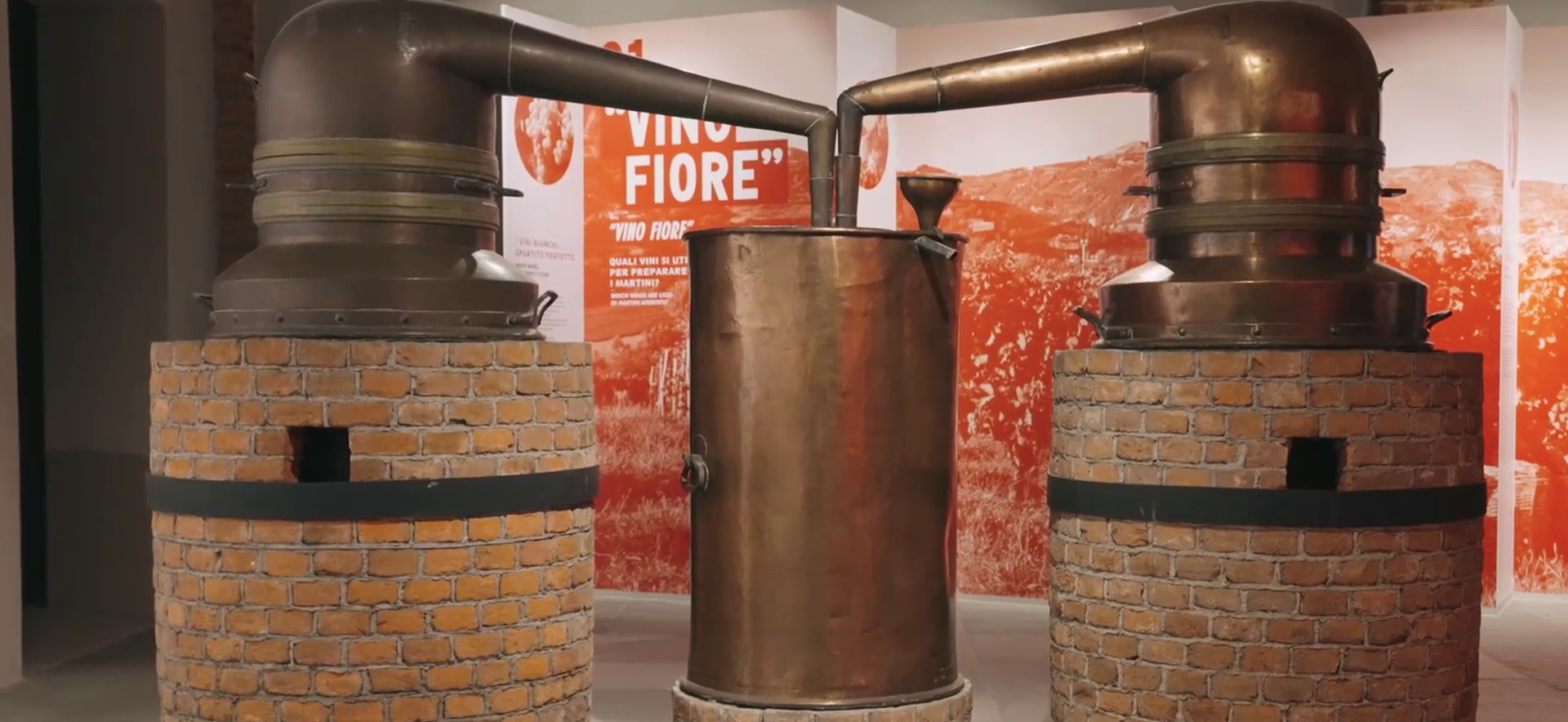
From the mid-fifteenth century onward, Piedmont established itself as a center of excellence in the art of distillation. By the eighteenth century, the liqueur makers of Turin enjoyed widespread recognition for their expertise.
It was in the Piedmontese capital that Vermouth di Torino began its evolution from medical remedy to convivial aperitif. During this period, in Turin started flourishing workshops, distilleries, liqueur producers and apothecaries, laying down the foundations of what will become one of Italy’s most iconic aromatised wines.


1736
The pharmaceutical code “Pharmacopoea Taurinensis” describes “Vinum Absinthites” as a preparation made from flowering wormwood tops and the roots of sweet flag (Acorus calamus).
At the time, Turin’s liqueur makers and confectioners belonged to the “Università dei Confettieri e Liquoristi della Città di Torino (University of Confectioners and Liqueur Makers of the City of Turin), a guild that brought together the producers of innovative spirits and liqueurs that would later define Piedmont’s rich tradition. These developed new aromatised wine recipes and produced the first bottled Vermouth di Torino, creating a product that was sweet, balsamic, alcoholic and therefore longlasting.
MID-19th CENTURY
The new aromatized wine gradually gained popularity beyond Turin, but its true success started around mid-nineteenth century when exports began.
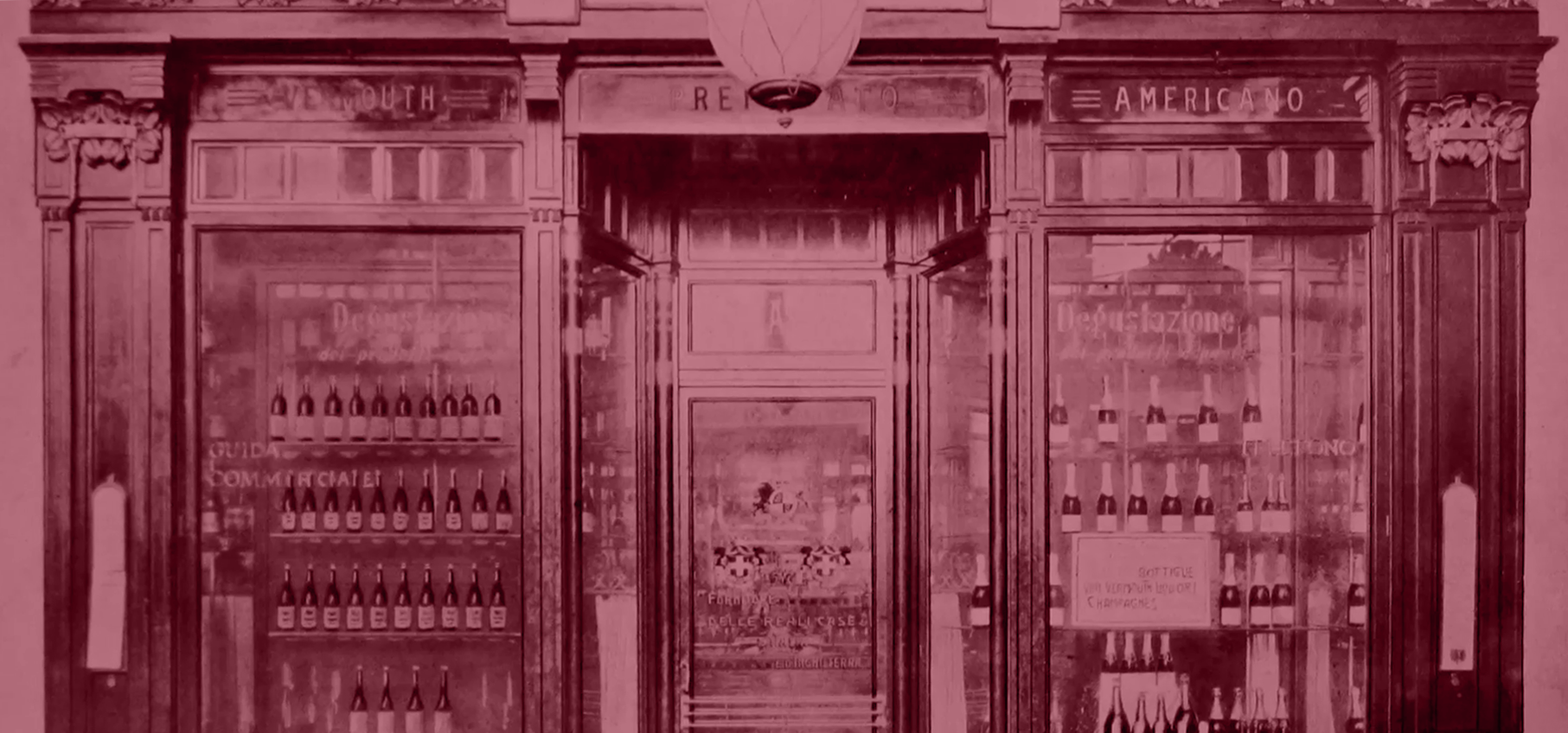
Initially shipped to France and Spain, Vermouth di Torino soon reached markets beyond Europe, particularly Latin America, where many Piedmontese emigrants had settled, and the United States, where it quickly became a cornerstone of emerging cocktail culture. By the mid-1800s, Turin was hosting sound 42 spirit merchants and 30 liqueur producers, whose activities brought prestige, prosperity and international recognition to the city.
1833
It is in 1833 that the first advertisement appeared for a vermouth produced in Turin, described as the “true balsamic wine known as Vermouth di Torino”.
From that moment onward, Turin started to be reckonned for its a distinctive style of vermouth: sweeter, richer and more aromatic than other products available at the time.
1900
The introduction of White Vermouth marked a turning point in the category.
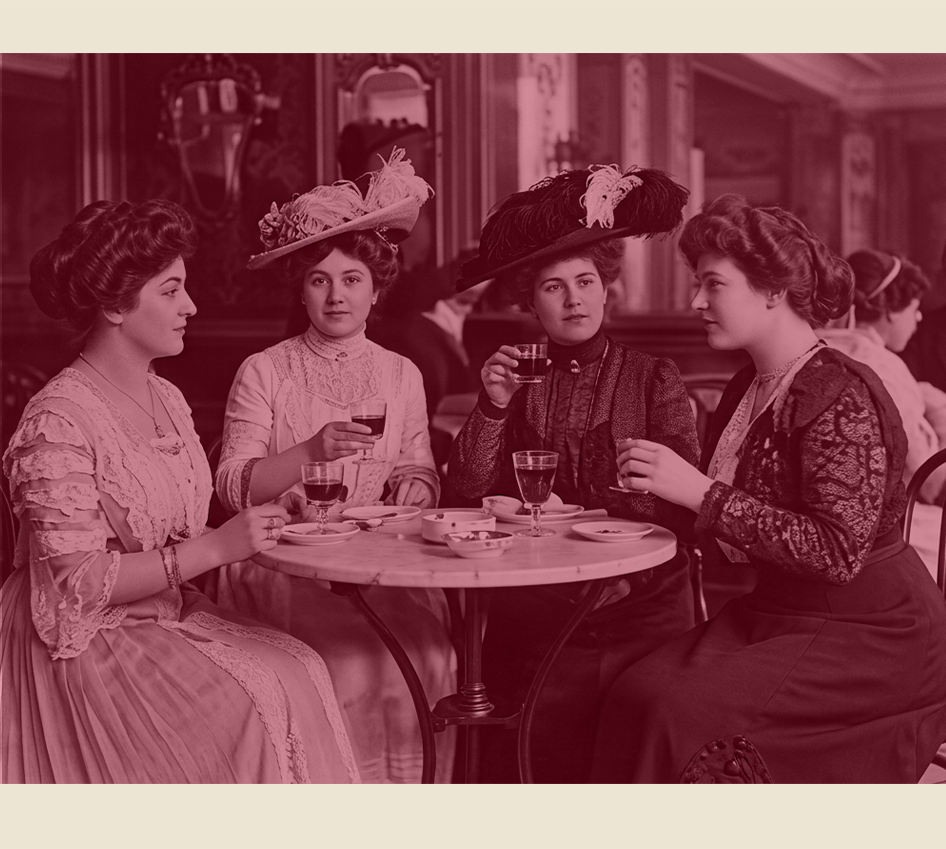
Characterised by its lighter colour and delicate floral and citrus notes, it became popular among women in cafés and bars, known as “A Delight for Ladies” driving a market revolution.
From the 1920s onwards, Red Vermouth gained prominence. Coloured with caramel to meet the taste of the American market.
FOR VERMOUTH DI TORINO
→ 1900
Royal Decree-Law No. 1696 of 9 November 1933 established the general requirements defining the product, including minimum alcoholic strength, sugar content, minimum wine percentage and permitted ingredients.
→ 1991
Council Regulation (EEC) No. 1601/1991 of 10 June 1991 was the first European regulation laying down geographical indications for aromatised wines and formally recognising and protecting Vermouth di Torino.
→ 2017
→ 2019
→ 2025
This milestone further strengthened the role of the Consortium in safeguarding the quality, reputation and heritage of Italy’s historic aperitifs


VERMOUTH DI TORINO

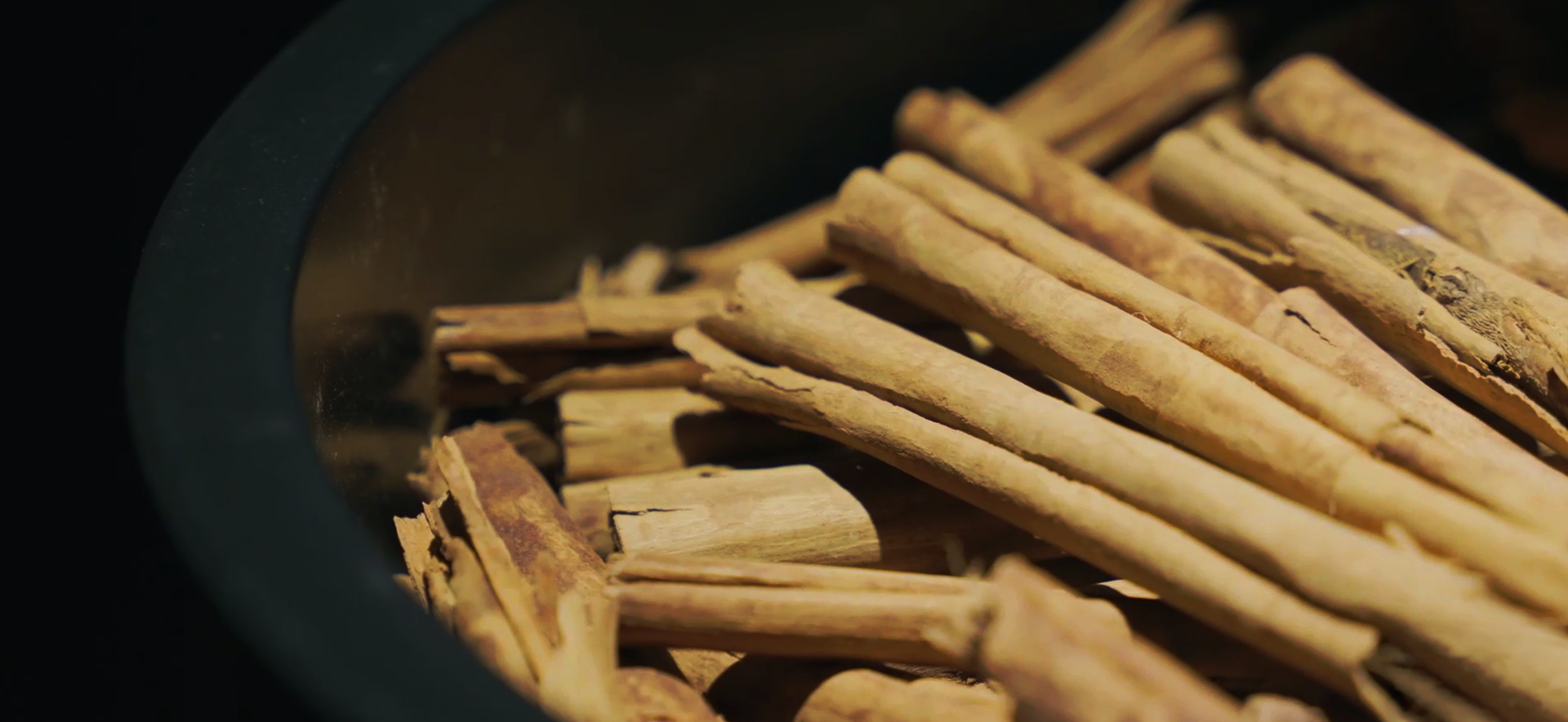
(Cinnamomum zeylanicum Nees)
Obtained from the young branches of the cinnamon tree, this precious spice became highly sought across Europe during the sixteenth century. Its warm, sweet aromas deliver depth and elegance to the botanical profile.
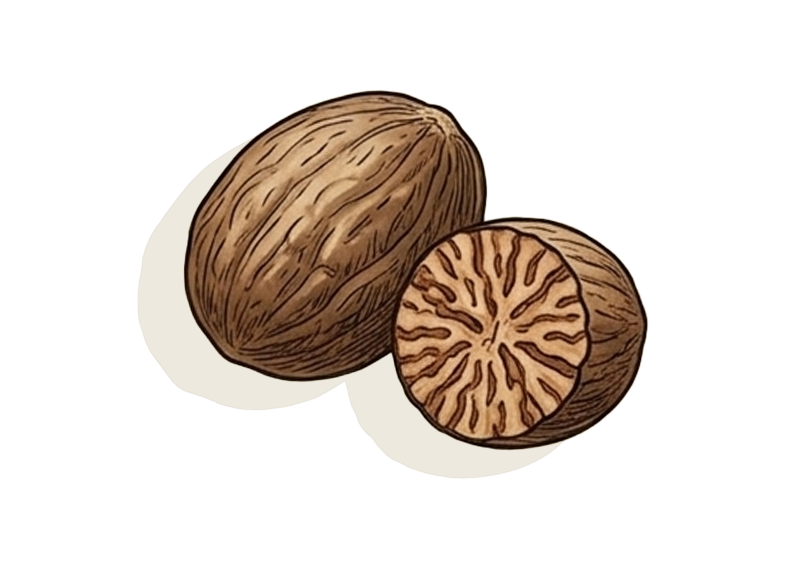
(Myristica fragrans Houtt.)
Native to the Moluccas Islands, nutmeg is prized for its intensely aromatic fragrance and distinctive flavour. It adds richness and complexity to the blend.
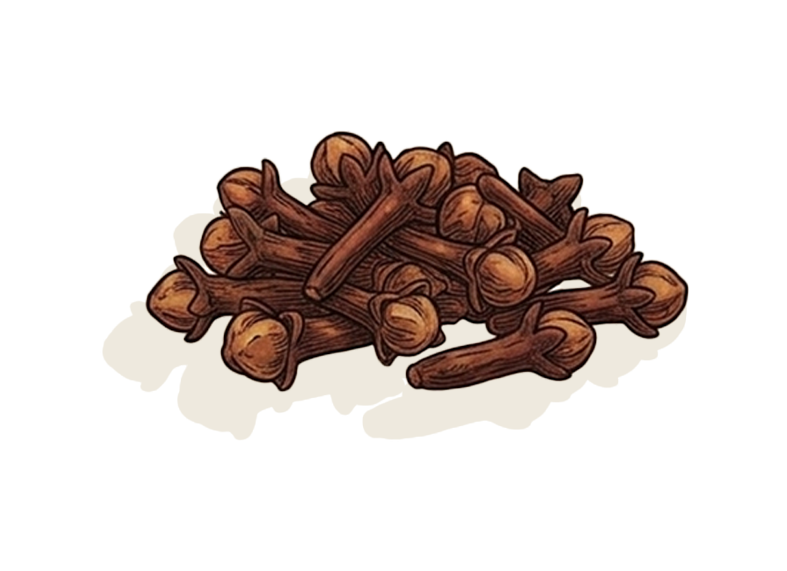
(Eugenia caryophyllata Thumb.)
Known and traded since ancient times,
cloves bring intense spicy notes and remarkable aromatic persistence,
making them a traditional ingredient in aromatised wines.
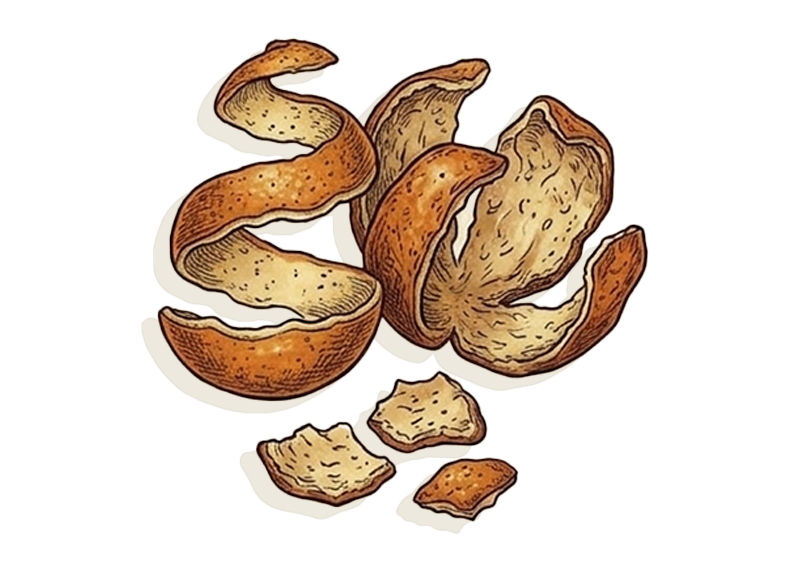
(Citrus aurantium L.)
Native to Asia, bitter orange peels are widely used in vermouth production.
Its vibrant citrus character contributes lively freshness, balance and aromatic lift.
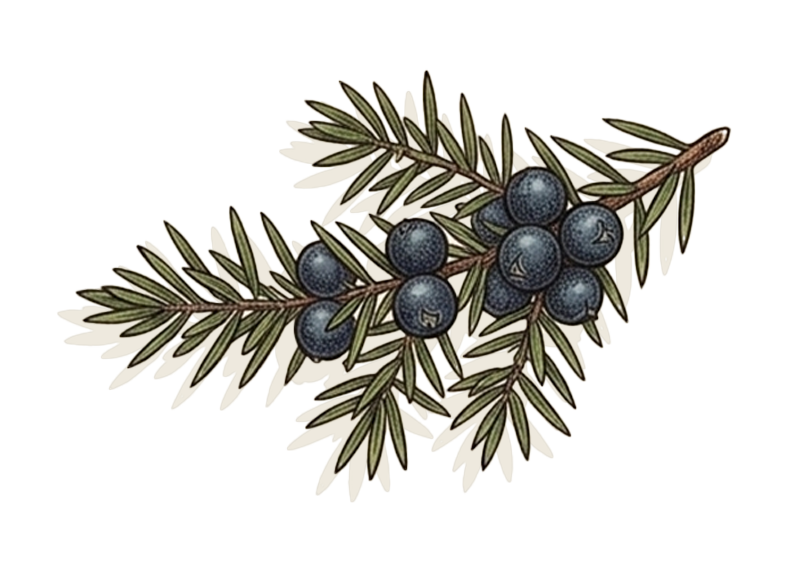
(Juniperus communis L.)
Widespread throughout Europe, juniper produces
berry-like fruits rich in essential oils.
Their resinous and balsamic qualities enhance the complexity of the botanical blend.
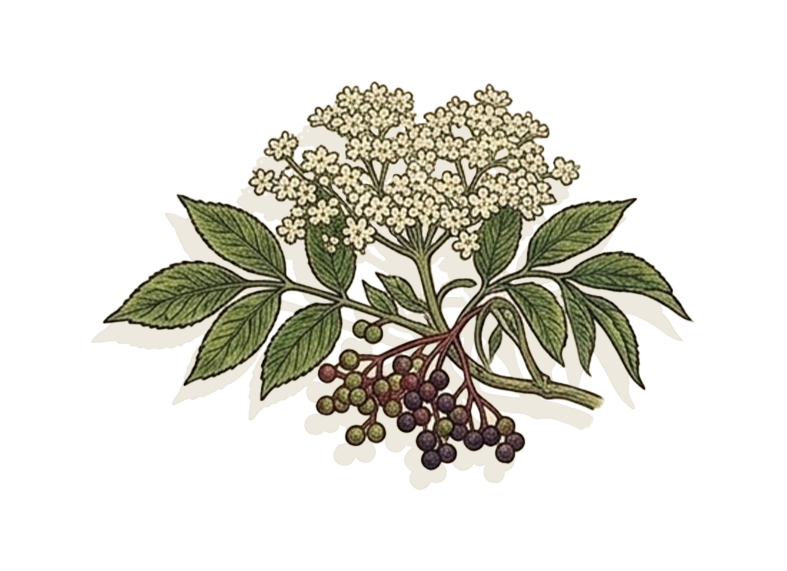
(Sambucus nigra L.)
Delicately fragrant elderflowers
have long been used in herbal infusions and traditional preparations.
They contribute elegant floral aromas and subtle flowery freshness.
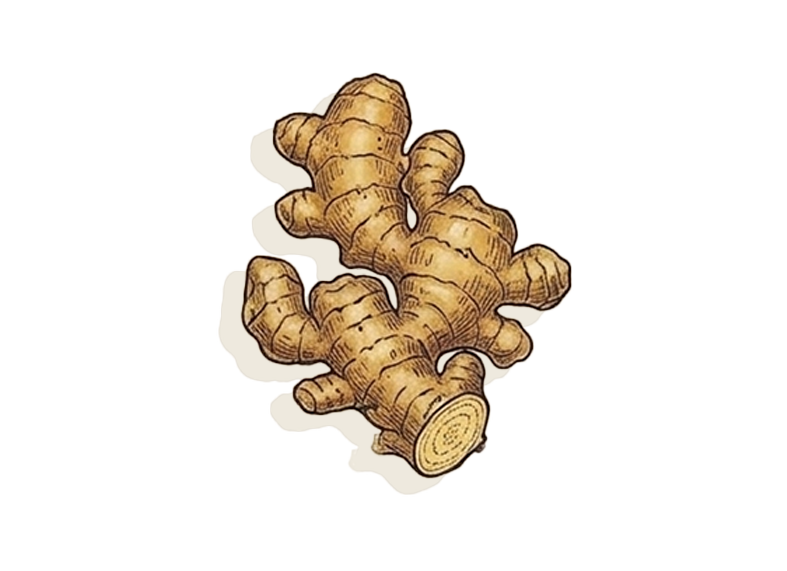
(Curcuma zedoaria Roscoe)
Native to India and Indonesia, this aromatic rhizome has been valued for centuries for its fragrant and stimulating properties. It adds exotic spicy notes and depth to the botanical composition.
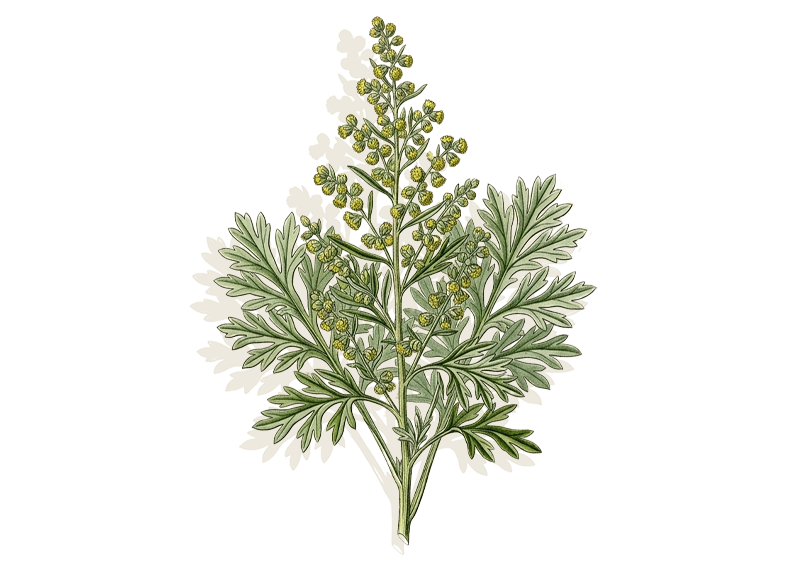
(Artemisia pontica L., Artemisia absinthium L., Artemisia vallesiaca)
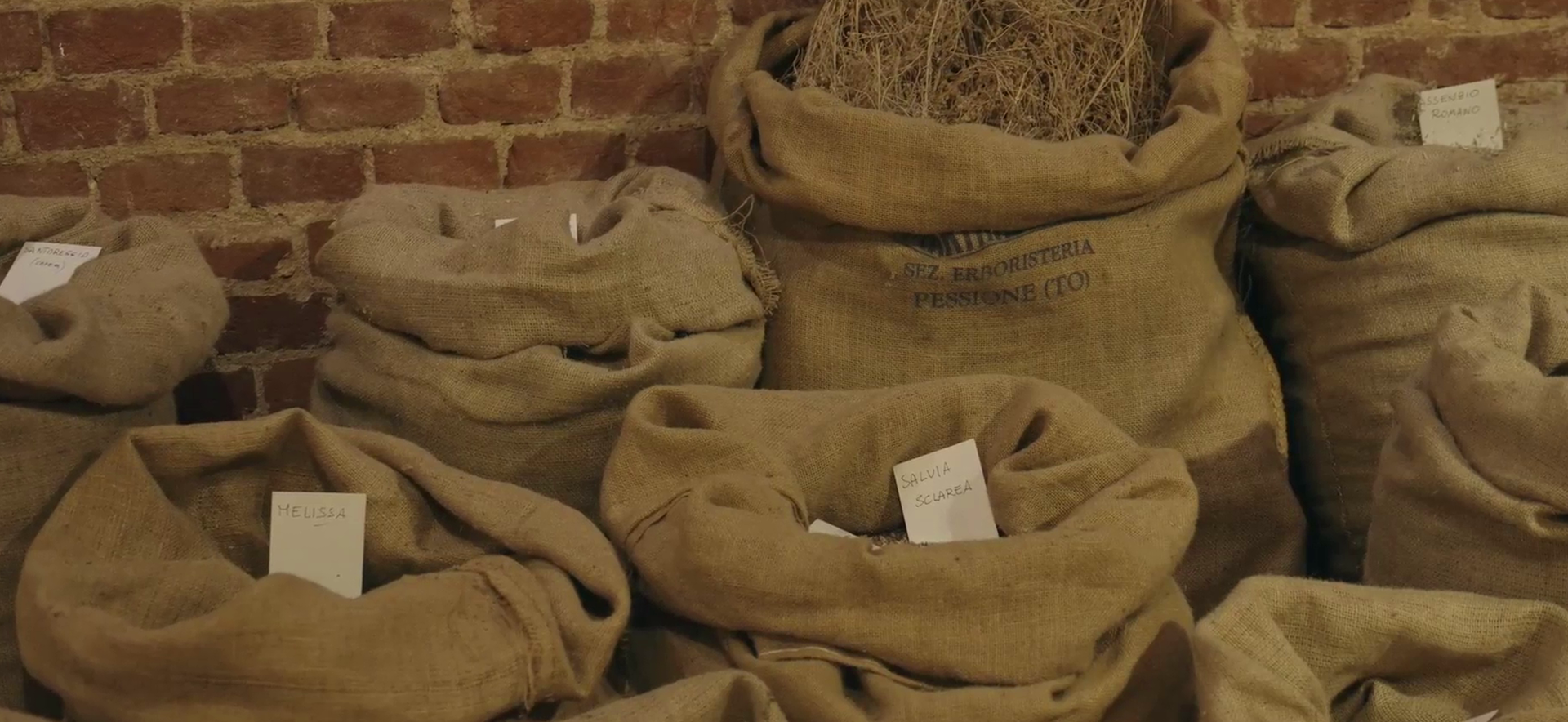
The “Must-have” defining ingredient of Vermouth di Torino, wormwood provides its characteristic aromatic bitter note and gives the beverage its name. The Production Specification recognises three Piedmontese varieties: Roman Wormwood (Artemisia absinthium), Gentle Wormwood (Artemisia pontica) and Pontic Wormwood (Artemisia vallesiaca).
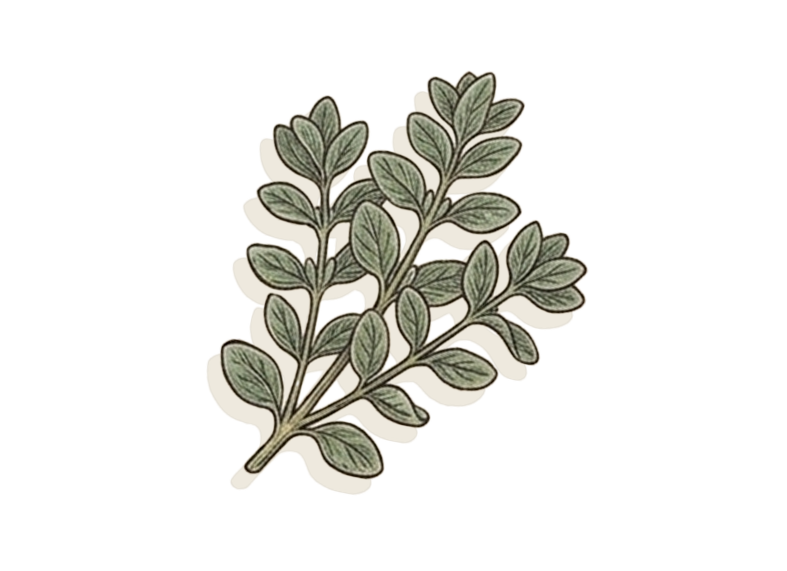
(Origanum majorana L.)
Rich in essential oils, marjoram is appreciated for its aromatic intensity and traditional digestive properties. It contributes warm herbal nuances to the blend.
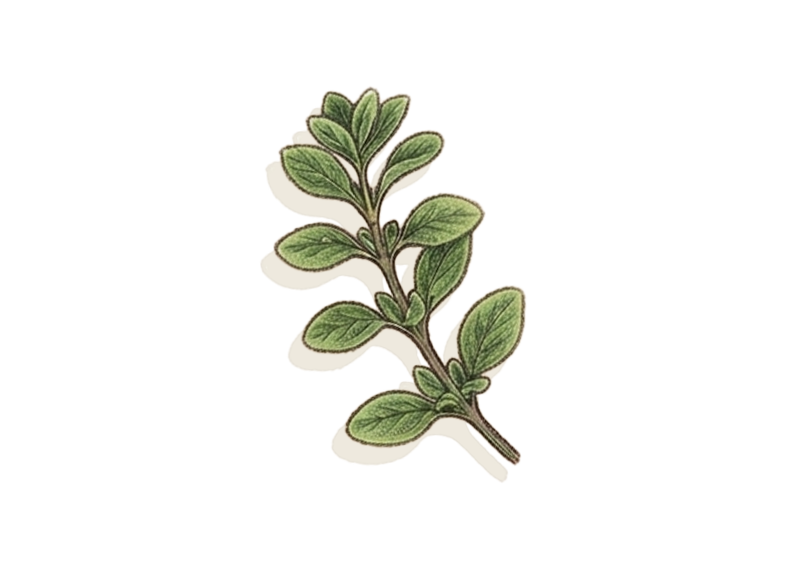
(Origanum vulgare L.)
Growing naturally in sunny environments, oregano is renowned for both its culinary and aromatic qualities, bringing vibrant sharp herbal notes to the composition.
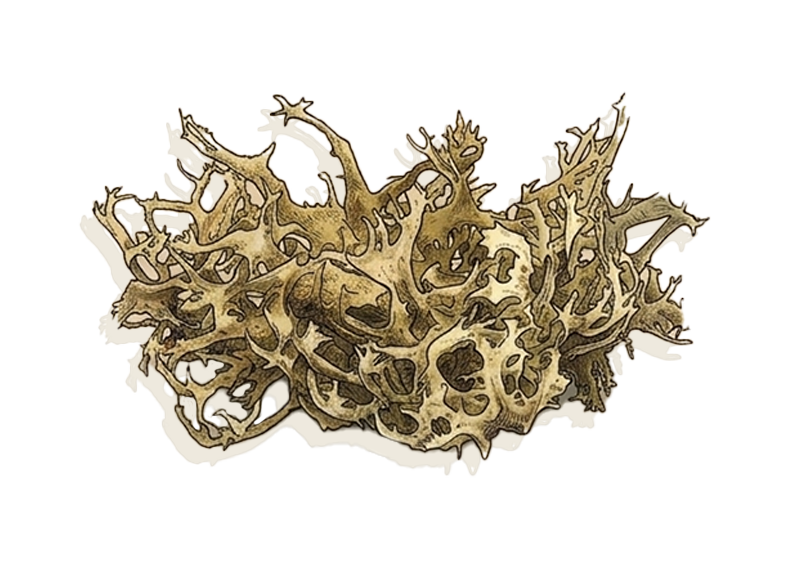
(Cetraria islandica L.)
Found in colder climates on soil, rocks and tree bark, Iceland moss is valued for its pleasantly bitter character and delicate aromatic contribution.
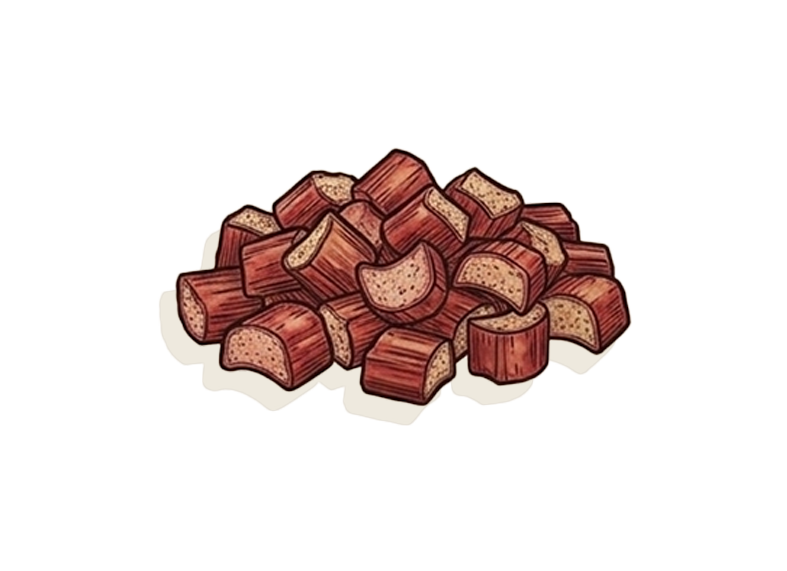
(Rheum palmatum L.)
Originally from western China near Tibet, rhubarb has been used since ancient times in Eastern herbal traditions. It delivers distinctive mildy bitter and earthy-smoky notes.

(Illicium verum L.)
With its characteristic star-shaped fruit, star anise delivers intense anise aromas and remarkable aromatic freshness.

(Anthemis nobilis L.)
Celebrated for its essential oils, Roman chamomile contributes delicate floral aromas and refined bitter-herbal nuances that enhance the elegance of Vermouth di Torino.
METHOD
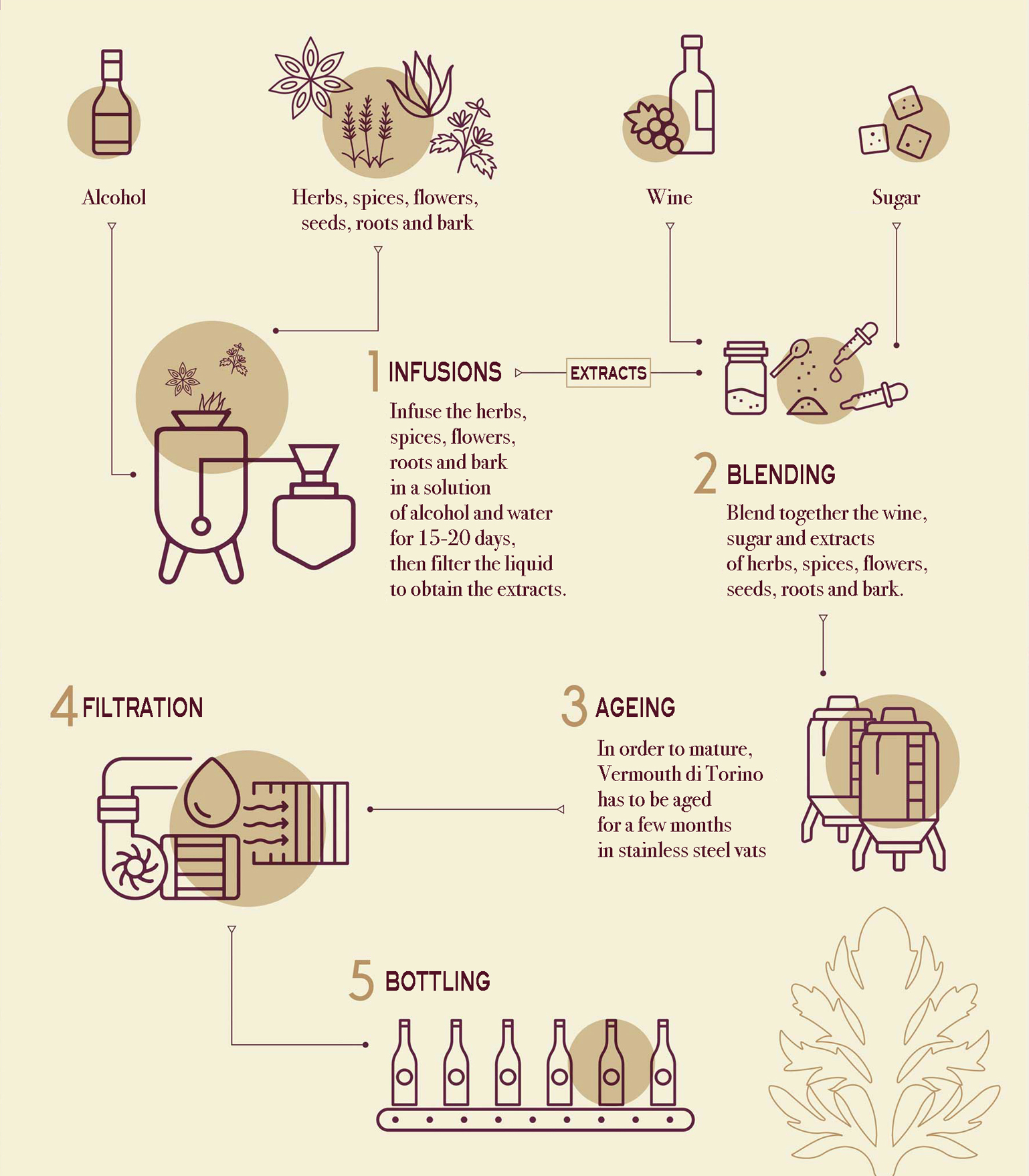
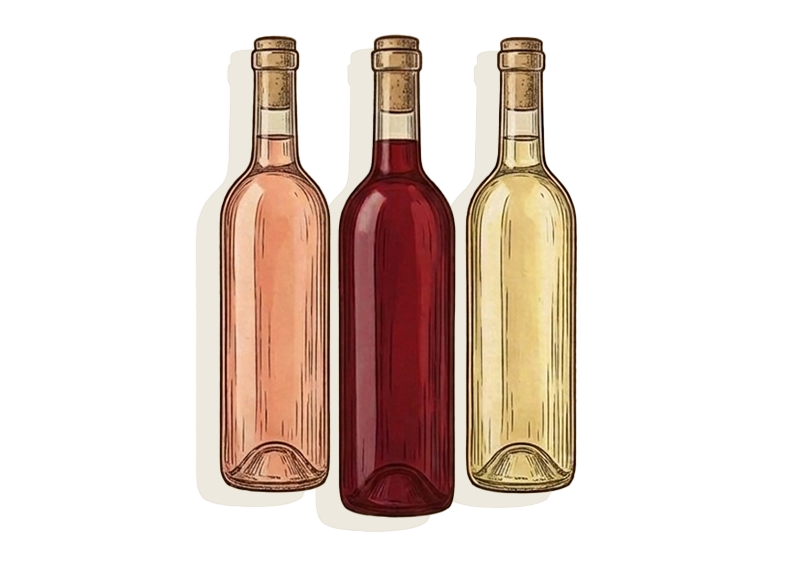
Whether white, rosé or red, the wine role is to bring structure, freshness and balance required to support the aromatic complexity of the botanicals and harmonise with the bitter-sweetness that characterises the finished product.
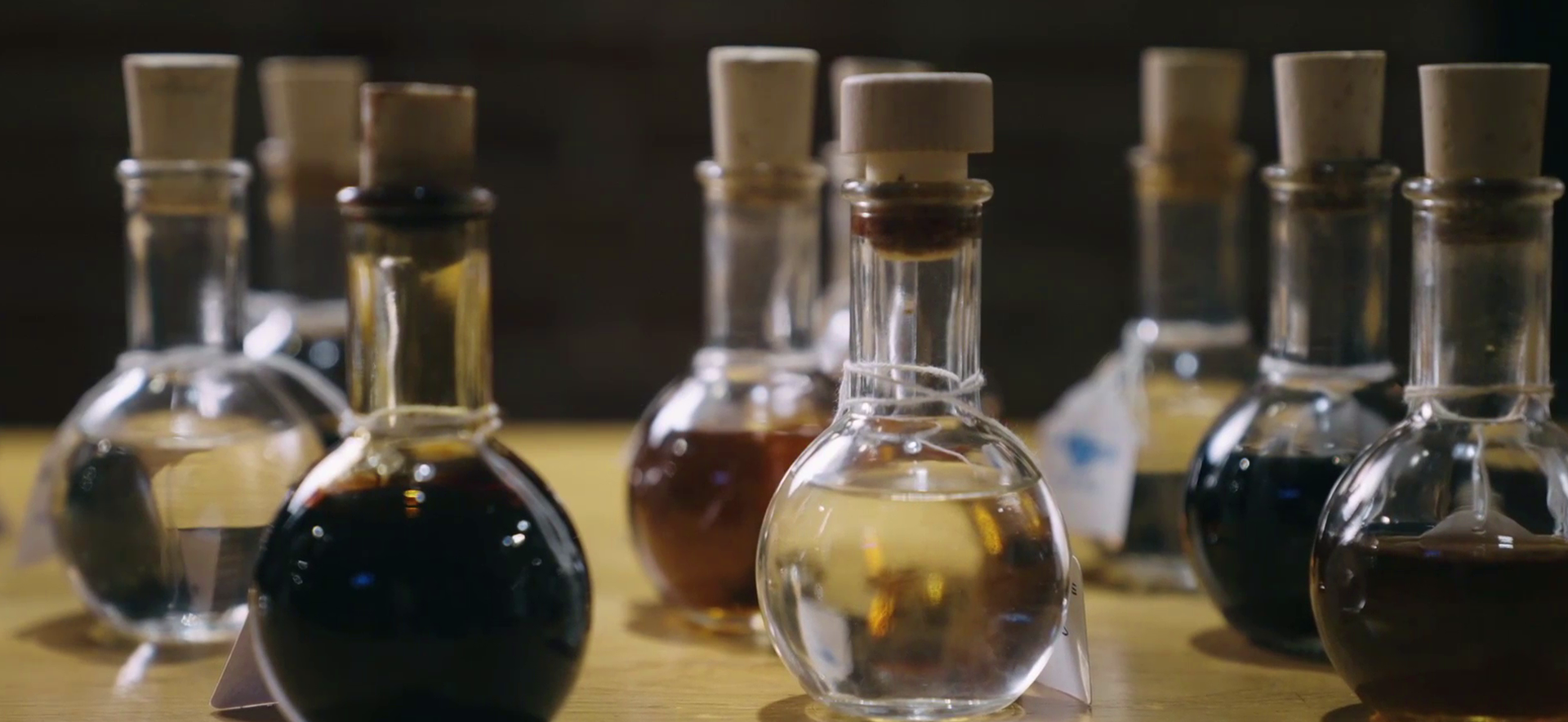
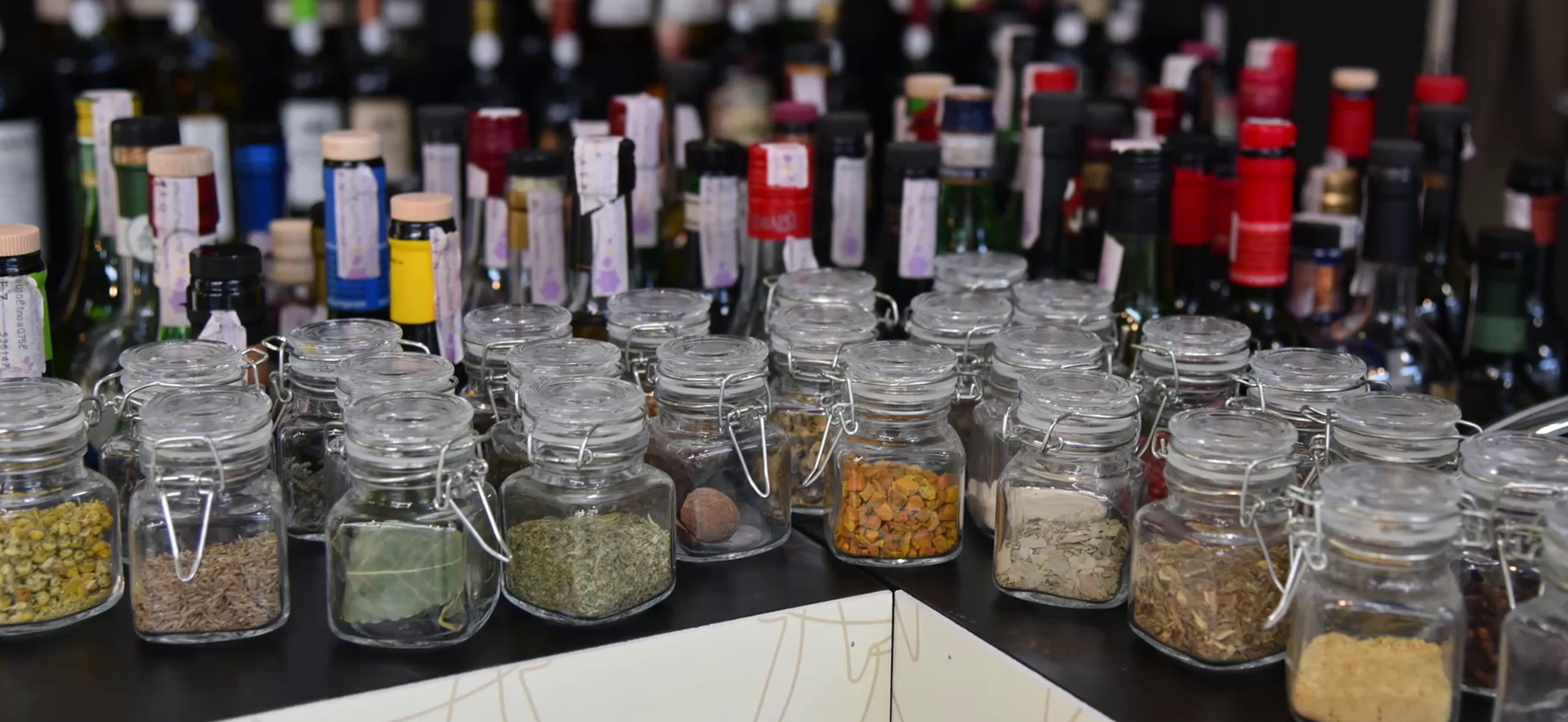
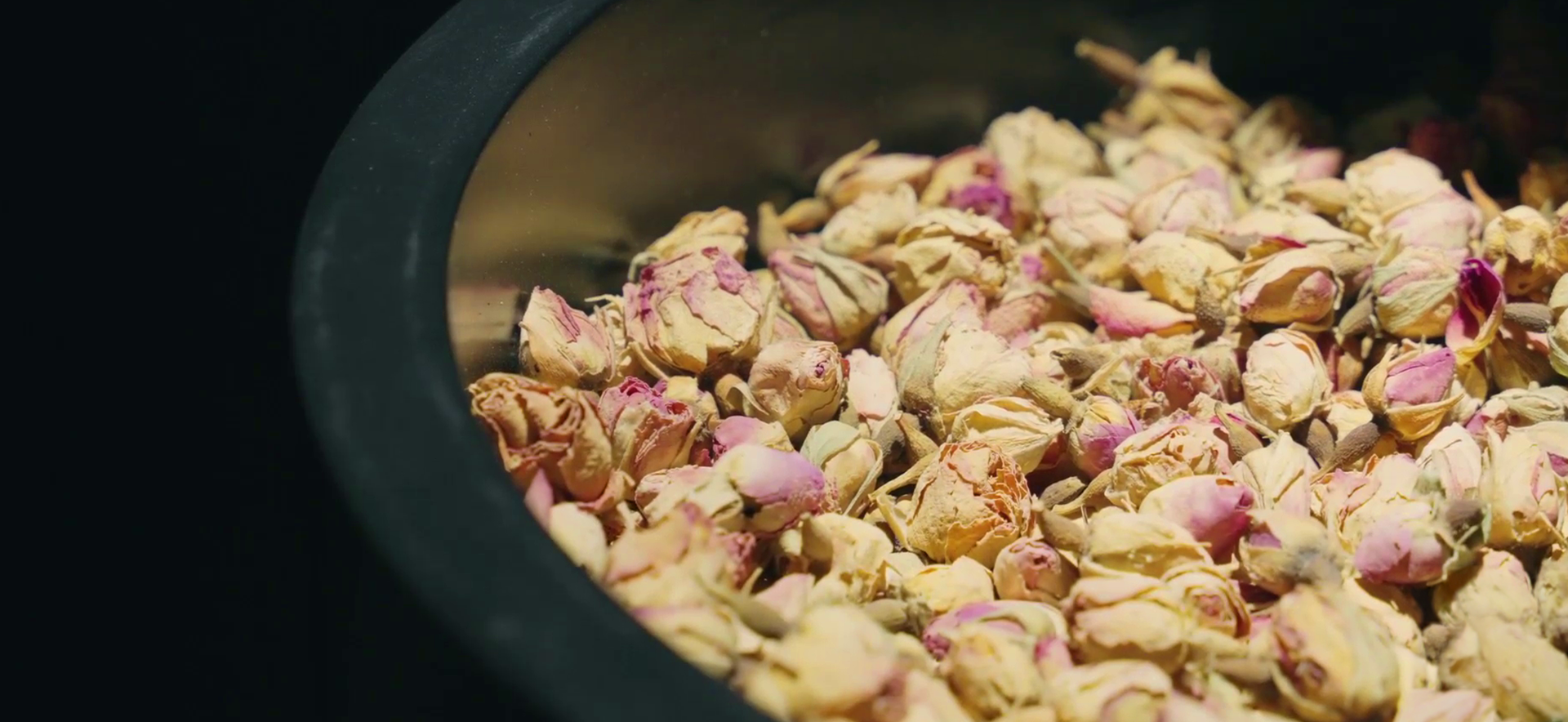
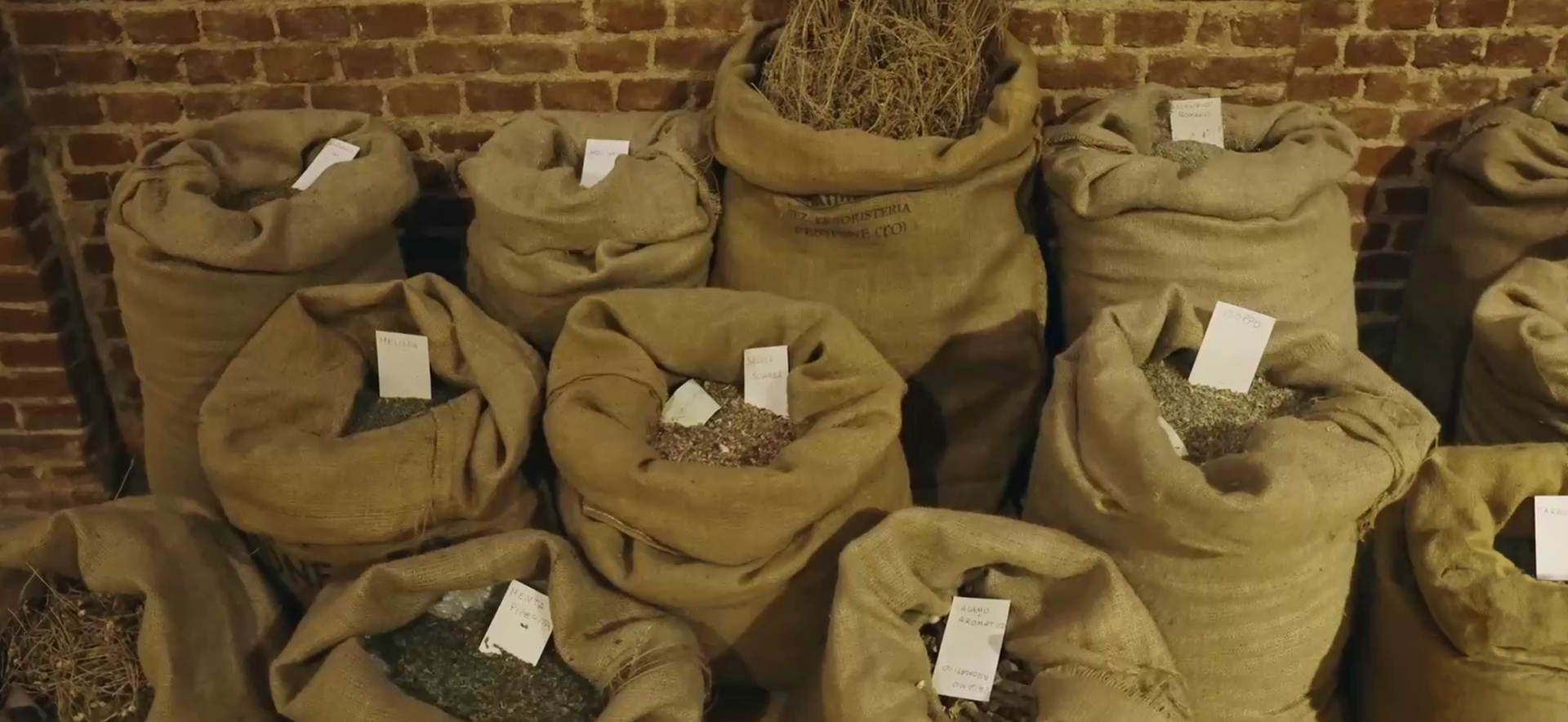
Relying on this foundation, a process rooted in centuries of craftsmanship transforms a selection of herbs, spices, flowers, seeds, roots and barks into one of Italy’s most iconic aperitifs.
HOW VERMOUTH DI TORINO IS MADE